
Film · Deb Olin Unferth on Franz Kafka’s Kafka
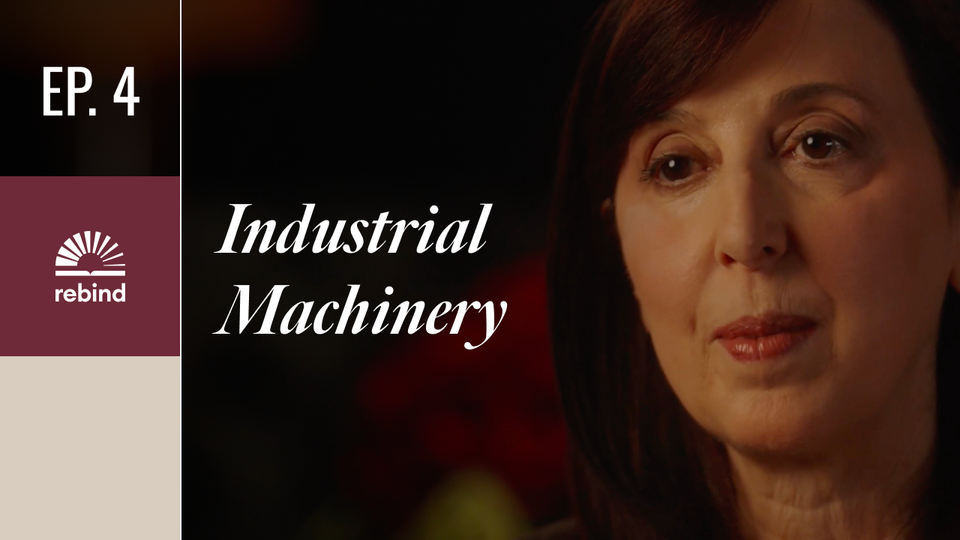
Industrial Machinery
Unferth moves on to the second story, "In the Penal Colony," and to how much had changed since "The Metamorphosis." Kafka drafted it in the fall of 1914, two years later, with a book of stories published and his style settled. In those two years the First Balkan War had filled the papers with bloodshed and the First World War had begun. By the time he revised the story in 1918, Europe looked completely different.
The story opens on a line of dialogue, "It's a peculiar apparatus," and nearly all of it describes one enormous machine built for torture and execution. Kafka had spent his adult life in workers' insurance and knew exactly how a machine could destroy a body. In "The Metamorphosis" we were never sure what the bug looked like. Here the machine is described in obsessive detail.
There are fewer laughs this time, Unferth says. The setting is bare, the officer never stops talking, and the whole thing reads almost like a play. Kafka wrote it on a break from The Trial. His publisher objected to it, his reviewers objected, and the people he read it aloud to were horrified. He defended it again and again as one of his best.
Sale
Black Friday · 20% off through 2026-11-30
The rest of this film, every episode of Deb Olin Unferth on Kafka, and every audio series, film and essay on the site.
Become a member →7-day money-back guarantee. Not ready? Join free. · Already a member? Sign in.
 New
Kafka
Thinking of reading it?The book page has the reading order, the editions guide, and every episode in the order you’ll need it.
See the book page
Alongside this stretch of the book
- Listen Kafka, 1914 Members
- Listen A Peculiar Apparatus Members
- Listen But They Mean Home Members
- Listen Maybe I Am the Commandant Members
- Listen Have Faith and Wait Members
- Read The Sentence the Machine Could Not Write Free
- Read The Visitor Who Disapproved Free account
- Read What Kafka Wrote in the Third Month of the War Free