
Film · Deb Olin Unferth on Franz Kafka’s Kafka
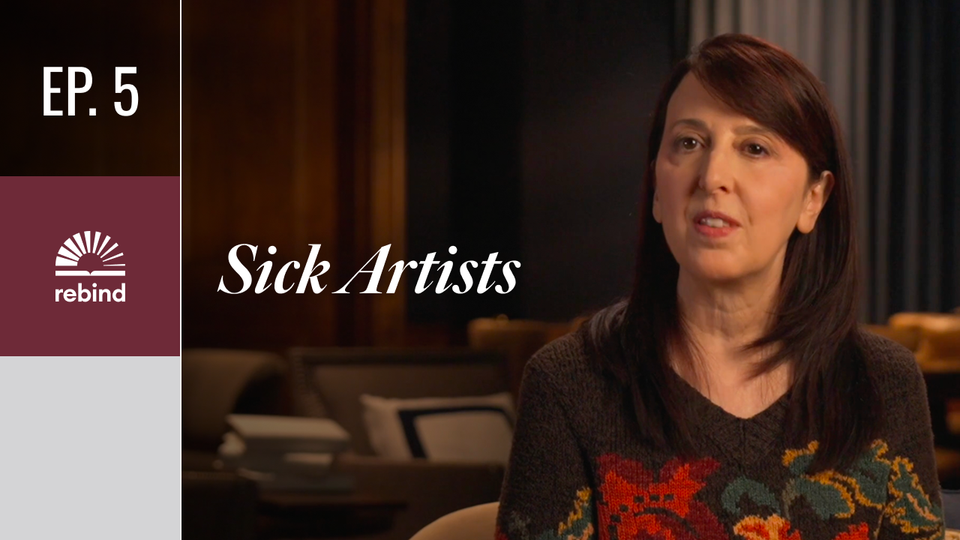
Sick Artists
The last of the three stories is "A Hunger Artist," published in 1922, two years before Kafka died of tuberculosis, not quite 41. He was already sick when he wrote it, on a break from The Castle, another novel he never finished. Unferth starts with the title and how modest that "A" is: one hunger artist among many.
Hunger artists were real. Professional fasters went from town to town and fasted for forty days as entertainment, and they were in their heyday around the time Kafka was born. By 1924, putting together the collection named for the story, Kafka was too sick to eat, and he was in tears over the irony: a man who couldn't eat, editing a story about a man who didn't want to. He worked on the revisions until the day before he died.
Her guess at what the story meant to Kafka is that making art asked him to give up so much of an ordinary life that in the end it couldn't be squared with living at all. Then she explains why it's tricky to say what any story means. She has taught this one in maximum security prisons, at elite private schools and at public universities, and people keep finding their own lives in it.
Sale
Black Friday · 20% off through 2026-11-30
The rest of this film, every episode of Deb Olin Unferth on Kafka, and every audio series, film and essay on the site.
Become a member →7-day money-back guarantee. Not ready? Join free. · Already a member? Sign in.
 New
Kafka
Thinking of reading it?The book page has the reading order, the editions guide, and every episode in the order you’ll need it.
See the book page
Alongside this stretch of the book