
Video 7
Ending with Spring
Featuring John Kaag
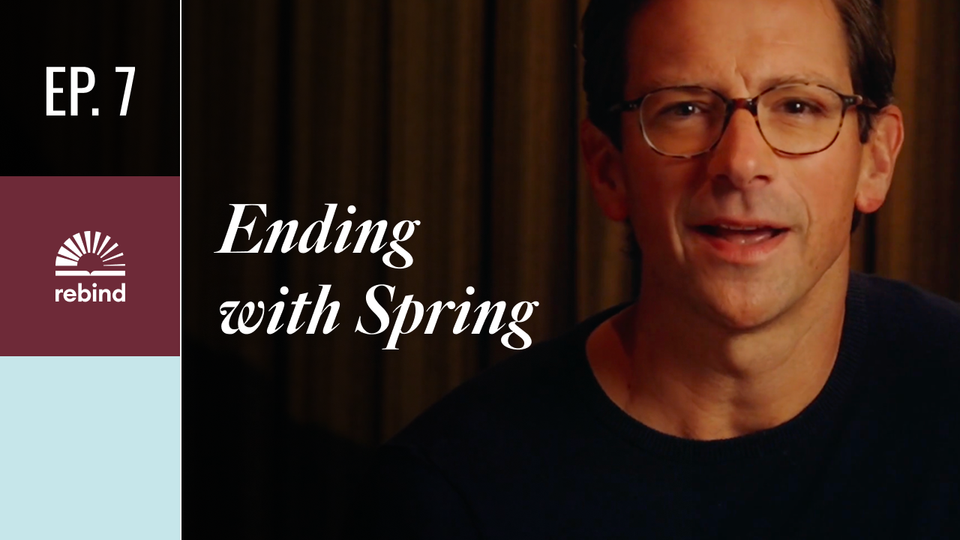
Film · John Kaag on Walden
John Kaag closes Henry David Thoreau's Walden with a confession: he didn't always like reading, and it took his mother, a substitute English teacher, to teach him to love it. That, he says, is what the tutorials have been trying to do. Then he reads "Spring" as Thoreau's way of thinking through tragedy, with his brother John's death in mind: even the coldest realities give way to regeneration, and, in Thoreau's words, "Walden is dead and is alive again."
The catch is what spring actually looks like: a dead horse, tadpoles gobbled by herons, things passing out of existence. Kaag isn't sure what redemptive power these sights have, but Thoreau insists we look again; something is there. He adds his own gloss to "the universe is wider than our views of it": it's also wilder and stranger. And he leaves you with Thoreau's question, why level downward to our dullest perception and call it common sense, and the last paragraph's dawn, if you have eyes for it.
Subscribe to continue reading